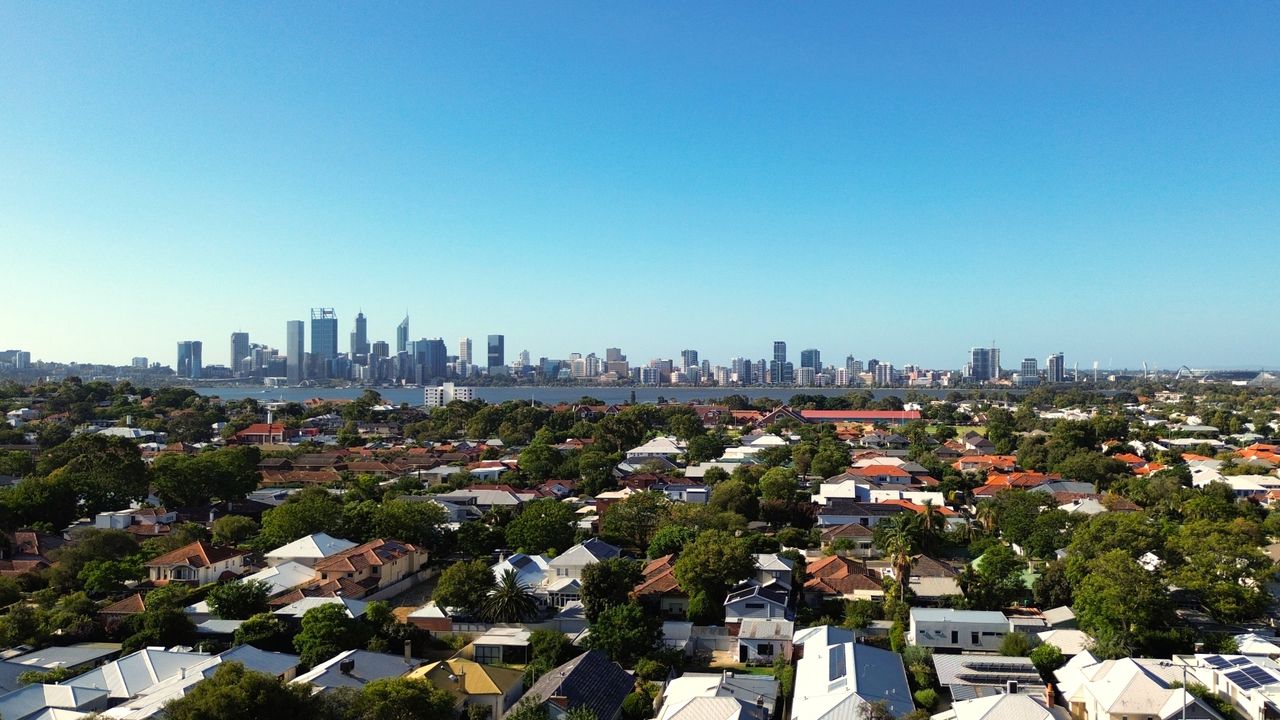
For property investors, the choice between Adelaide and Brisbane is rarely just a question of capital growth forecasts. It is a fundamental choice between two distinct market structures, each requiring a different acquisition strategy. While Brisbane dominates headlines with its infrastructure pipeline and migration data, Adelaide has quietly performed as a resilient, tight-supply market that rewards patience.
Both cities are currently hotspots for off-market activity, yet the nature of these opportunities differs significantly. In one city, “off-market” often means accessing a property before a fierce auction campaign begins. In the other, it can mean negotiating directly with a vendor who prefers a quiet sale over a public spectacle.
This analysis compares the structural differences between the Adelaide and Brisbane property markets. It moves beyond median price comparisons to examine transaction behaviours, competition levels, and the specific dynamics that drive off-market opportunities in each city. For the sophisticated investor, understanding these nuances is the first step toward building a scalable portfolio that aligns with your risk tolerance and financial goals.
What Makes a City Attractive for Off-Market Investing?
Before diving into the specifics of Adelaide or Brisbane, it is crucial to establish a framework for what makes a location suitable for an off-market strategy. Not all markets are created equal; a strategy that yields results in a high-volume city may struggle in a tightly held regional pocket.
Successful off-market investing relies on several structural pillars:
- Transaction Volume: High turnover markets generally offer consistent deal flow. If properties aren’t trading, off-market opportunities are scarce.
- Sales Method Prevalence: Markets dominated by private treaty sales are typically friendlier to off-market negotiation than auction-centric markets, where agents are incentivised to push properties to a public bidding war.
- Investor Ownership Levels: A higher concentration of investors often leads to more “quiet” sales, as landlords may sell to liquidate funds without disturbing tenants or paying for marketing campaigns.
- Supply Constraints: In markets where stock is tight, the “pre-market” phase becomes critical. Agents use their networks to sell quickly to qualified buyers rather than risking a lengthy campaign.
- Pricing Transparency: Markets with clear comparable sales data allow investors to spot value discrepancies quickly. Without this transparency, the risk of overpaying in an off-market deal increases.
By viewing Adelaide and Brisbane through this lens, investors can better understand where their capital might work hardest.
Adelaide: Off-Market Dynamics and Investor Context
Adelaide has historically been viewed as the “steady ship” of Australian property—less volatile than the eastern seaboard, with consistent, albeit moderate, long-term growth. However, recent years have seen a shift in this narrative, with supply tightening significantly and competition heating up.
Market Structure and Sales Methods
Structurally, Adelaide has traditionally been a private treaty market. Unlike Sydney or Melbourne, where auctions are a spectator sport, Adelaide vendors have historically preferred a fixed price or price range. However, as demand has outstripped supply, a new trend has emerged: the “silent auction” or “best offers by” campaign.
For the off-market investor, this presents a unique dynamic. True off-market deals in Adelaide often arise from deceased estates or long-term landlords exiting the market. Because the city has an older demographic profile in established suburbs, these “turnover events” occur regularly but quietly.
The “Tight-Knit” Factor
Adelaide is often described as a “big country town” regarding its professional networks. Real estate circles are tight, and relationships run deep. Consequently, legitimate off-market inventory is often fiercely guarded by selling agents and offered only to a select group of buyer’s agents or known local investors.
Liquidity Considerations
Investors must note that Adelaide’s transaction volumes are lower than Brisbane’s. This lower liquidity means that while competition might feel less frantic in terms of raw numbers, the shortage of quality stock can make securing an asset difficult. An off-market strategy here is less about filtering through volume and more about being the first call when a rare asset becomes available.
Brisbane: Off-Market Dynamics and Investor Context
Brisbane operates with the energy of a market in transition. Driven by substantial interstate migration and a massive infrastructure pipeline leading up to the 2032 Olympics, the city has evolved from a “big country town” into a sophisticated investment hub.
Volume and Diversity
The sheer size of the Greater Brisbane market—encompassing the City Council (the largest in Australia), Logan, Ipswich, and Moreton Bay—provides a depth of transaction volume that Adelaide cannot match. For investors, this volume is critical. It creates a consistent flow of distressed sales, portfolio liquidations, and motivated vendor scenarios that fuel the off-market ecosystem.
The Investor-Heavy corridors
Brisbane has distinct corridors with high investor participation, particularly in the outer rings like Logan and Ipswich. In these areas, off-market transactions are common. Landlords often sell to other investors to avoid the cost of marketing or the risk of vacancy during a sales campaign.
Competition and Valuation
The primary challenge in Brisbane is the intensity of competition. When a property hits the open market, it can attract dozens of offers within days. This “heat” drives many sophisticated buyers to off-market channels simply to bypass the public frenzy. However, in a rising market, selling agents know they can achieve premium prices publicly. Therefore, securing a genuine deal requires a robust valuation discipline. An “off-market” deal is not a bargain if you pay tomorrow’s price today just to secure the asset.
Side-by-Side Comparison: Adelaide vs Brisbane
To assist in objective decision-making, the following table outlines the key structural differences between the two markets relevant to investment strategy.
| Factor | Adelaide | Brisbane |
| Market Size & Volume | Moderate volume; supply is notoriously tight in established suburbs. | High volume; diverse markets ranging from inner-city to high-growth corridors. |
| Dominant Sales Method | Private Treaty / Silent Auction (“Best offers by”). | Private Treaty / Increasing Auction culture in blue-chip areas. |
| Off-Market Drivers | Generational turnover, deceased estates, local network sales. | Interstate migration, portfolio consolidation, avoiding marketing costs. |
| Buyer Competition | Intense per asset due to low stock levels. | High total competition, but diluted across a larger geographic area. |
| Liquidity | Lower liquidity; assets may take longer to turnover in downturns. | Higher liquidity; a deeper pool of buyers and sellers ensures movement. |
| Entry Price Point | Generally more accessible entry price for established houses. | Varies widely; affordability is pushing demand further out (Logan/Ipswich). |
| Data Transparency | Good, though “undisclosed price” sales are common. | Excellent comparable sales data availability across most suburbs. |
Risk vs Reward Considerations in Each Market
Every investment carries risk, but the type of risk varies by location. Understanding these nuances is essential for protecting your capital.
Adelaide: The Risk of Liquidity vs The Reward of Stability
The primary risk in Adelaide for the aggressive investor is liquidity. If you need to exit a position quickly during a market lull, the shallower pool of buyers can be a challenge. Furthermore, because stock is so tightly held, there is a risk of “paying for scarcity”—offering too much simply because nothing else is available.
The reward, however, is historical stability. Adelaide has rarely experienced the sharp corrections seen in Sydney or Melbourne. For an off-market strategy, this stability allows for accurate forecasting. If you secure a property below comparable sales evidence, that equity buffer is less likely to be eroded by market volatility.
Brisbane: The Risk of Overheating vs The Reward of Growth
Brisbane’s risk profile is tied to its popularity. In a hot market, the “fear of missing out” (FOMO) can infect off-market transactions, leading to inflated asking prices from vendors who know they hold the cards. The risk here is valuation—ensuring the numbers stack up against bank valuations, not just against agent hype.
The reward is scale and growth velocity. Brisbane’s population fundamentals suggest sustained demand. Securing an off-market asset in a high-growth corridor allows investors to ride the wave of infrastructure spending, potentially achieving equity gains faster than in a lower-velocity market.
Which Investor Profiles May Suit Each Market?
While an investor can succeed in either city, different portfolio objectives may align better with one market’s structure over the other.
The “Steady Accumulator” (Adelaide)
Investors who prioritise consistency over rapid scale often favour Adelaide. If your goal is to acquire high-yielding assets that pay for themselves and slowly compound, Adelaide’s lower entry price and tight rental market are attractive. The off-market strategy here focuses on patience—waiting for the right asset in a blue-chip suburb that rarely trades publicly. This suits investors with a lower risk tolerance who value sleeping well at night over aggressive leverage.
The “Growth & Scale” Investor (Brisbane)
Investors looking to build a large portfolio quickly often gravitate toward Brisbane. The availability of stock across multiple price points allows for a repeatable process. You can buy a high-yield asset in Logan, a capital growth play in Moreton Bay, and a renovation project in Ipswich, all within the same macro market. The off-market strategy here is about speed and volume—using a buyer’s agent to filter dozens of opportunities to find the one with genuine instant equity potential.
Common Misconceptions When Comparing Cities
When analysing potential markets, it is easy to fall for varied myths that circulate in property forums and media.
- “Cheaper cities mean lower risk.”
Low entry price does not equate to low risk. A cheap property in a suburb with no economic drivers is a high-risk asset. Both Adelaide and Brisbane offer affordable pockets, but value must be assessed against infrastructure, employment, and liveability—not just the price tag. - “Off-market works the same everywhere.”
As discussed, an off-market deal in Adelaide might be a quiet handshake agreement between locals, while in Brisbane, it might be a pre-market opportunity sent to a database of 50 buyer’s agents. The strategy must adapt to the local ecosystem. - “Past performance predicts future results.”
Just because Brisbane boomed post-COVID does not guarantee the same trajectory next year. Just because Adelaide was once “slow” does not mean it will remain so. Investors must look at current supply and demand metrics, not historical charts.
How Investors Should Compare Cities Objectively
Comparing markets requires a structured decision-making framework. Rather than asking “Which city is best?”, investors should ask “Which market aligns with my resources?”
- Capital Allocation: Does your budget allow you to buy an investment-grade asset in this city, or will you be forced into secondary locations?
- Deal Flow Requirements: Do you need to buy within 30 days (favouring Brisbane’s volume), or are you happy to wait 6 months for the perfect asset (suiting Adelaide’s scarcity)?
- Due Diligence Capacity: Do you have the team on the ground? Assessing an off-market deal requires immediate access to building inspectors and valuers. If you lack this network in a specific city, your risk increases.
Investor Checklist: Adelaide or Brisbane – What to Evaluate First
Before committing to a search in either market, run through this quick evaluation:
- Market Liquidity: Check current days-on-market for your target suburbs.
- Competition Levels: Are properties selling prior to auction or passing in?
- Pricing Evidence: Can you easily find 3-5 comparable sales from the last 90 days?
- Strategy Alignment: Does the rental yield meet your serviceability needs?
- Risk Tolerance: Are you comfortable with high competition (Brisbane) or low supply (Adelaide)?
Frequently Asked Questions
Are off-market properties common in Adelaide?
Yes, but they function differently than in larger cities. Due to the tight-knit nature of the local industry, many properties are sold quietly through direct agent networks before ever reaching public portals. These often include deceased estates or portfolio liquidations from long-term holders.
Are off-market deals more competitive in Brisbane?
They can be. Because Brisbane is a high-volume investor market, many buyer’s agents operate there. An “off-market” property might still be shown to five or ten qualified buyers. The advantage is not always zero competition, but rather qualified competition that focuses on speed and terms rather than emotional bidding.
Which city has better off-market value opportunities?
Value is deal-specific, not city-specific. However, Brisbane’s higher transaction volume generally provides a greater number of distressed or motivated vendor scenarios simply due to the size of the market. Adelaide offers value through stability and scarcity, but finding a distinct “discount” can be harder due to tight supply.
Is off-market investing riskier in smaller markets?
It can be if you lack local knowledge. in smaller markets like Adelaide, comparable sales data can be patchier if turnover is low. This makes it harder to verify if an off-market price is fair value. Rigorous due diligence and independent valuations are essential.
How do investors compare cities objectively?
Investors should focus on the data: vacancy rates, infrastructure pipelines, auction clearance rates, and days on market. Avoid emotional narratives and look for structural reasons why a market will grow, such as population migration or employment shifts.
Do off-market strategies work the same in every city?
No. In auction-heavy markets, “off-market” often means buying prior to auction. In private treaty markets, it often means buying before the listing photos are taken. Your negotiation strategy must adapt to the local sales culture.
Can investors diversify across both markets?
Absolutely. Many sophisticated investors hold assets in multiple states to balance their risk. You might hold a high-yield asset in Brisbane and a steady capital-growth asset in Adelaide. This diversification protects the portfolio from localised downturns.
Should city choice come before deal quality?
Ideally, you choose the market first based on fundamentals, then find the deal. A “cheap” deal in a declining market is rarely a good investment. Select the city that aligns with your wealth goals, then hunt for the best off-market asset within that parameter.
Conclusion
Choosing between Adelaide and Brisbane for your next investment is not about picking a winner, but about picking the right vehicle for your journey. Brisbane offers volume, velocity, and dynamic growth opportunities suited to scalable portfolios. Adelaide offers resilience, stability, and tight-supply dynamics that reward the patient investor.
Regardless of the location, the principles of successful off-market investing remain constant: rigorous due diligence, strict valuation discipline, and a refusal to act on emotion.
For investors ready to explore these markets further, understanding the mechanics of risk vs reward in off-market investing is the next logical step. Whether you are building a scalable portfolio or simply seeking your first asset, ensuring you have the right representation can be the difference between a good purchase and a great investment.