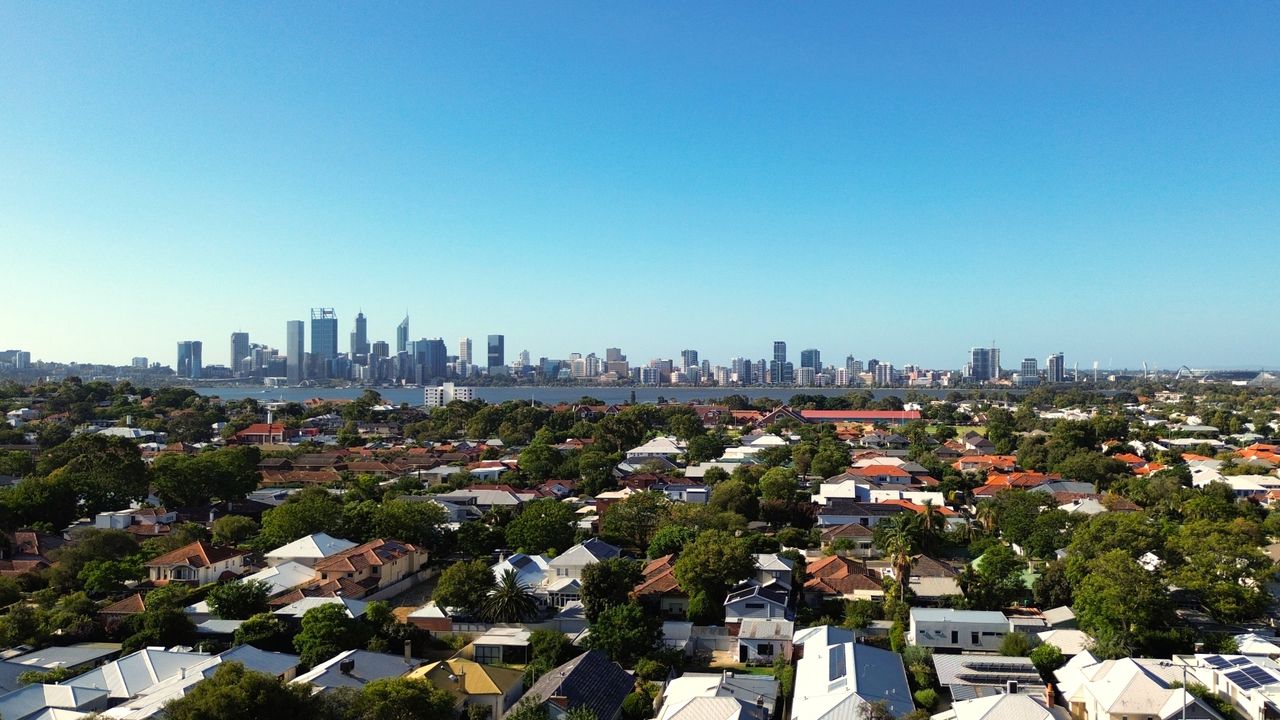
Infrastructure stands as one of the most powerful growth catalysts within property markets. When billions of dollars flow into new transport links, hospitals, and employment hubs, the economic landscape of a region fundamentally shifts. These projects rewrite the rules of accessibility and directly influence the balance of housing supply and demand.
Strategic investors monitor these infrastructure pipelines closely well before any visible price movements occur. Acquiring an asset before a major project reaches completion provides a distinct timing advantage. It allows portfolio builders to secure properties at current market valuations, positioning themselves to capture the subsequent equity uplift as the surrounding suburb matures.
Capital growth is rarely a coincidence. It is the result of predictable macroeconomic drivers coming together in a specific location. By understanding exactly how government spending dictates urban expansion, investors can base their acquisition strategies on hard data rather than speculation.
Why Infrastructure Drives Property Cycles
Infrastructure as a Demand Catalyst
Capital growth requires consistent, structural demand. Large-scale public projects generate this demand by radically improving the livability and accessibility of an area. When a new rail corridor reduces a commuter’s journey to the central business district by thirty minutes, the surrounding suburbs instantly become more attractive to high-income tenants and prospective buyers. This increased employment access draws a larger population base, putting immediate upward pressure on local property values.
The Multiplier Effect on Local Economies
The financial impact of a major project extends far beyond its direct function. Construction requires an immense workforce, which immediately injects capital into local businesses. According to the Reserve Bank of Australia, sustained public investment and infrastructure spending heavily stimulate aggregate economic activity. This job creation during the construction phase acts as an economic multiplier, encouraging retail upgrades and further commercial activity in the immediate vicinity.
Long-Term Urban Transformation
Once the dust settles, the demographic profile of a suburb often changes. Areas that were previously considered strictly industrial or lower socio-economic begin to gentrify. Young professionals and families move in to take advantage of the new amenities, resulting in a long-term urban transformation that supports sustained rental yield growth.
Infrastructure as a Supply Influencer
New projects do not just bring people; they also bring development. Local councils frequently update their urban planning policies to maximise the utility of new transport nodes. This rezoning leads to increased development approvals, transforming low-density streets into medium or high-density precincts. This process introduces new housing stock to the market, which fundamentally alters the local supply pipeline.
The Balance Between Growth and Oversupply
Investors must carefully evaluate this new supply. If a council approves thousands of new apartments around a single train station, the sudden influx of high-density stock can dilute capital growth for unit holders. Assessing the balance between growing demand and the potential for oversupply is a critical step in identifying high-performance assets.
The Infrastructure Timeline and Price Movement
Understanding the mechanics of timing is essential for executing a successful property acquisition.
Stage 1 – Announcement Phase
The timeline begins when the government officially proposes a new project. Media coverage surges, and market awareness increases rapidly. During this phase, speculative activity begins as investors attempt to secure property in the anticipated growth corridor.
Risk of Buying Too Early
Entering the market at the announcement phase carries inherent dangers. Projects are often subject to political shifts, budget blowouts, or environmental roadblocks. If a proposed rail line is cancelled or delayed by a decade, investors who purchased based solely on that announcement may face stagnant capital growth.
Stage 2 – Construction Phase
Risk decreases significantly once funding is locked in and earthworks commence. Improved confidence ripples through the market. As physical progress becomes visible, population movement begins to shift toward the area in anticipation of the completed project.
Employment Surge During Construction
The immediate area experiences an influx of engineers, project managers, and construction personnel. This temporary workforce requires housing, injecting immediate capital into the local economy and supporting local businesses.
Rental Demand Acceleration
Because these workers need accommodation close to the site, rental demand accelerates sharply. Landlords often see a drop in vacancy rates and an increase in weekly rental yields during this heavy construction period.
Stage 3 – Completion Phase
When the project finally opens to the public, the promised accessibility is fully realised. Commuters experience the upgraded transport links, and the suburb’s enhanced status becomes common knowledge. At this point, capital growth often peaks as the broader market recognises the area’s new value.
Diminishing First-Mover Advantage
By the time the ribbon is cut, the opportunity for rapid equity generation has usually passed. The wider market has already priced the infrastructure benefits into local property values, leading to a diminishing first-mover advantage for late arrivals.
Types of Infrastructure That Influence Property Demand
Not all government spending yields the same result for property investors. Targeting specific types of projects provides a more reliable path to capital growth.
Transport Infrastructure
Transport upgrades are arguably the most direct catalysts for property value uplift. Rail extensions, metro network upgrades, and major highways open up previously isolated suburbs. Data consistently published by CoreLogic demonstrates that proximity to reliable transport nodes supports premium dwelling values and shields properties during broader market downturns.
Accessibility and Commuter Efficiency
The core metric here is commuter efficiency. A suburb located forty kilometres from the city centre becomes highly desirable if a new high-speed rail line cuts the transit time in half. Properties within a comfortable walking distance of these new stations typically experience the highest rate of capital appreciation.
Health and Education Precincts
Billions of dollars are regularly channelled into expanding hospitals, universities, and specialised research hubs. These facilities operate as enormous economic engines that are largely immune to typical economic downturns.
Stable Employment Clusters
Health and education precincts create incredibly stable employment clusters. Doctors, nurses, researchers, and academic staff generally earn above-average incomes and prefer to live close to their workplaces. This dynamic creates sticky, long-term rental demand that is highly attractive to property investors.
Commercial and Industrial Developments
Large-scale business parks, manufacturing centres, and logistics hubs also reshape local economies. When major corporations establish distribution centres near upgraded highways, they bring thousands of permanent jobs to the region.
Employment Diversification
This commercial expansion leads to employment diversification. Suburbs that no longer rely on a single industry or a daily commute to the central business district become self-sustaining economic hubs, offering greater stability for long-term investment portfolios.
Infrastructure and Off-Market Opportunity Windows
Public listings often reflect the hype surrounding a major project. Astute investors look beyond the public portals to secure assets efficiently.
Vendor Activity Before Public Awareness
Before a project reaches completion, local landlords may decide to liquidate their assets for personal financial reasons. They might want a quiet, hassle-free sale without funding a public marketing campaign. Finding these genuine off-market investment opportunities allows buyers to negotiate without the pressure of competing against emotionally driven retail buyers.
Strategic Acquisitions Before Completion
Executing acquisitions while an area is still undergoing heavy construction requires foresight. The streets might be noisy and chaotic, temporarily depressing the visual appeal of the neighbourhood. This disruption presents a prime window for strategic portfolio expansion.
Securing Investment-Grade Assets Below Intrinsic Value
Using an analytical approach during this disruptive phase allows investors to secure properties well below their future intrinsic value. Securing investment-grade assets roughly 20% under market value provides a buffer of instant equity, accelerating an investor’s ability to duplicate their portfolio.
How Infrastructure Influences Supply Constraints
The relationship between new amenities and housing supply requires careful navigation to avoid poor capital allocation.
Rezoning and Increased Density
Upgraded transport nodes naturally encourage higher density. Local planning authorities update zoning laws to allow for apartment blocks and townhouses near new stations, aiming to maximise the utility of the public investment.
The Risk of High-Rise Saturation
While this makes sense from a city planning perspective, it presents a risk for property investors. A saturation of high-rise apartments creates an oversupply of identical dwellings. When supply outpaces tenant demand, both rental yields and capital growth stagnate.
Monitoring Development Approvals
Investors must assess the incoming supply pipeline. Tracking local council zoning changes and reviewing the Australian Bureau of Statistics building approvals data helps highlight areas where structural undersupply will continue to protect property values.
Land Scarcity and Planning Restrictions
The most reliable capital growth occurs where new infrastructure meets geographical land scarcity. If a new rail line services a suburb where no further land can be released for housing, the existing detached houses absorb the entirety of the new demand. Limited supply amplifies the financial benefits of the infrastructure project.
Data Points Investors Should Analyse
Moving past media hype requires a thorough examination of verifiable economic data.
Government Funding Commitments
An announcement means very little without an allocated budget. Investors should verify that funding has been officially allocated in state or federal budgets before factoring a project into their growth forecasts.
Infrastructure Australia Priority Lists
The Infrastructure Australia Priority List is an essential tool. It identifies nationally significant projects that have been rigorously assessed for their economic merit, providing a reliable roadmap of where future government spending will flow.
Construction Timelines
Knowing what is being built is only half the equation; knowing when it will be built dictates the timing of capital deployment.
Project Completion Milestones
Tracking specific project completion milestones helps investors determine their acquisition window. Buying two years before a major hospital opens provides a comfortable runway for capital growth to accumulate.
Correlation With Migration Trends
Infrastructure acts as a magnet for internal migration. Analysing population data to see where workers and families are relocating provides secondary confirmation that the project is successfully stimulating local demand.
Common Investor Mistakes When Following Infrastructure
Even with a clear pipeline of government spending, investors frequently miscalculate their market entry.
Buying Based Solely on Media Headlines
Politicians frequently announce grand visions ahead of election cycles. Purchasing an asset based solely on a media headline without verifying funding often leaves investors holding properties in stagnant markets when the proposed projects fail to materialise.
Ignoring Supply Pipeline Data
Acquiring a unit near a new train station seems logical on the surface. However, ignoring the supply pipeline data can be disastrous. If ten new apartment towers are slated for construction on the same street, the resulting oversupply will severely hinder the asset’s performance.
Overpaying During Peak Speculation
When the media coverage peaks, so does public interest. Competing in an overheated market often leads to overpaying. Paying a massive premium for a property nullifies the very growth the infrastructure was supposed to provide.
Positioning Strategically Within Infrastructure-Led Growth Cycles
Success relies on a disciplined, highly structured approach to market analysis.
Aligning Capital Allocation With Project Timelines
Investors must align their capital allocation with the realities of the construction phase. Targeting locations near major capital cities like Brisbane, Perth, or Adelaide during the early stages of funded projects allows for maximum equity capture.
Securing Assets During Low-Competition Phases
Avoiding public auctions and crowded open homes is critical. Securing assets during low-competition phases via private networks keeps purchase prices grounded in data rather than emotion.
Long-Term Capital Compounding Strategy
Building a robust property portfolio requires looking ten or twenty years into the future. Partnering with capital city investment acquisition specialists ensures that every asset added to your portfolio benefits from strong macroeconomic fundamentals and verified infrastructure pipelines.
Engaging a professional investment buyers agent can assist in assessing infrastructure-driven growth markets before broader competition increases, ensuring your acquisitions are perfectly timed.
Why Discipline Matters More Than Hype
Infrastructure acts as a powerful catalyst for property markets, but it is never an absolute guarantee of success. The true driver of capital growth is the ongoing interaction between heightened tenant demand and heavily restricted housing supply. A new train line or hospital simply accelerates this dynamic.
Achieving financial independence through property requires meticulous timing and strict discipline. Discarding media hype in favour of analysing building approvals, funding commitments, and migration patterns provides a clear advantage. By maintaining a research-driven acquisition approach, sophisticated investors can leverage billions of dollars in government spending to predictably scale their portfolios.